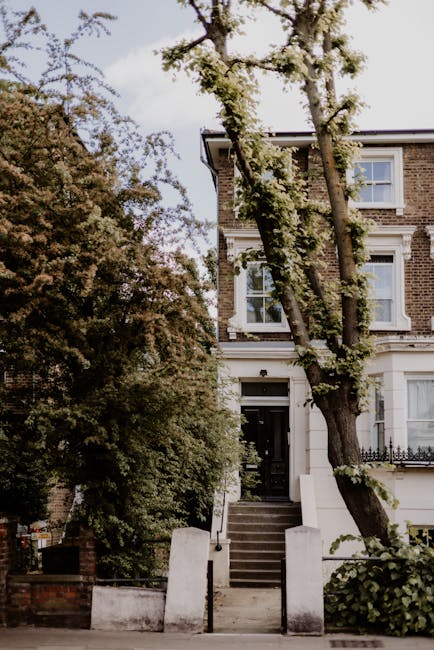
Case study: Ladbroke Grove townhouse move with zero damage
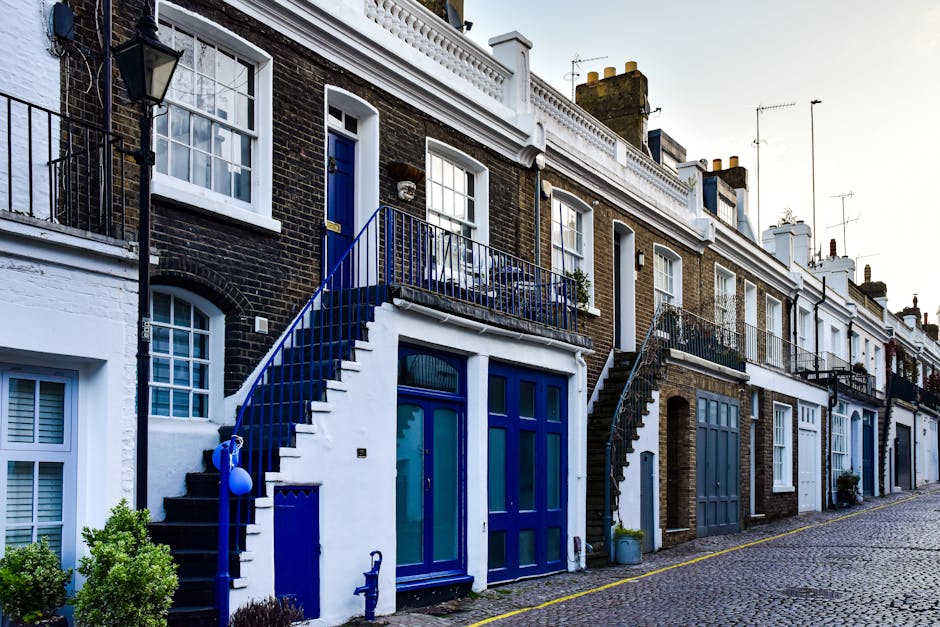
Moving a townhouse in Ladbroke Grove can look simple from the pavement. Inside, though, it is usually a different story: tight stairwells, awkward corners, tall furniture, narrow access, and the constant worry that one careless turn could scuff a bannister or chip a wall. This case study: Ladbroke Grove townhouse move with zero damage breaks down what a well-run move actually looks like in a real London setting, and why planning matters so much when the property is older, lived-in, and not exactly forgiving.
Truth be told, most damage during removals is not caused by bad luck. It usually comes from rushing, poor preparation, or underestimating the layout. In this article, we look at the practical steps that help protect the home, the furniture, and your own peace of mind. If you are comparing options, or you simply want to understand how a careful townhouse move should be handled, this guide will give you the useful version, not the fluffy one.
We will also cover the decisions that make the biggest difference on move day, from access planning and packing to parking strategy and the handover itself. And yes, the little things matter more than people think.
Why Case study: Ladbroke Grove townhouse move with zero damage Matters
A townhouse move is not the same as shifting a flat, a studio, or a ground-floor house with broad access. In Ladbroke Grove, properties often bring together several risk factors at once: period features, stair turns, narrow hallways, shared entrances, limited parking, and neighbours who would quite reasonably prefer a calm move rather than a whole morning of banging and door propping.
That is why a zero-damage move matters. It is not just about keeping the sofa clean. It protects painted walls, timber floors, banisters, light fittings, mirrors, and the furniture itself. It also protects timing. A dented wardrobe or scratched dresser slows everything down, and once delays begin, the whole day can become a bit of a scramble.
For many homeowners and tenants, the real value is confidence. You want to know that the move is being handled by people who understand the building as much as the boxes. That includes how to carry larger items around corners, how to protect surfaces before anything is moved, and how to keep momentum without forcing the pace. In a busy part of west London, that combination is not a luxury. It is the difference between an orderly move and a stressful one.
There is also a reputational point. If you are the owner, landlord, or someone arranging the move on behalf of a family member, damage is a pain to explain and often more expensive to fix than people expect. A smooth, careful process saves money, yes, but it also saves the awkward aftermath.
Expert summary: A zero-damage townhouse move is not about moving slowly for the sake of it. It is about moving with a plan: protect first, carry smartly, communicate clearly, and never assume the property layout will "just work out".
How Case study: Ladbroke Grove townhouse move with zero damage Works
The process starts long before the van arrives. A good move of this type usually begins with a property review, whether that is done in person or from photos and a conversation about the furniture list. The aim is simple: identify where damage could happen and remove the guesswork.
In practice, this means looking at stair width, ceiling height, corner angles, floor type, and where the heaviest items need to pass. It also means checking the basics people sometimes forget, like whether the front door opens wide enough for a wardrobe, whether there is enough landing space to turn a mattress, and whether any fragile pieces need to be taken apart before moving day.
Then comes packing. Not all packing is equal. A box of books needs a different approach from a box of glassware, and a townhouse move tends to include awkwardly shaped items that benefit from specialist wrapping. Good packing reduces movement inside the box, which reduces impact. Simple enough, but easy to get wrong.
On the day itself, the movers usually protect the route first. That can include floor coverings, corner guards, door blankets, and padding on any touchpoints where furniture might rub. It may sound fussy if you have never seen damage happen in real time, but one scrape on a painted wall can be more annoying than the item that caused it. Funny how that works.
The load order matters too. Heavy and sturdy items should be handled in a sequence that keeps the team balanced and the property protected. If access is tight, movers may need to stage items carefully rather than trying to force everything through in one go. That is not inefficiency. It is control.
After loading, the final check is just as important. A proper handover includes looking back through the route, checking for missed fixings, confirming that nothing has been left behind, and making sure the property is left as clean and tidy as the job allows.
Key Benefits and Practical Advantages
The obvious benefit is no damage. But there is a longer list of advantages that make a careful townhouse move worth planning properly.
- Less repair hassle: No unexpected scuffs, chips, or broken fittings to deal with afterwards.
- Better protection for valuables: Furniture, artwork, mirrors, and electronics all travel more safely.
- Reduced moving-day stress: When the route is planned and the packing is organised, the day feels calmer.
- Faster decision-making: Good preparation means fewer "what now?" moments in the hallway.
- Cleaner handover: A tidy exit matters, especially if you are leaving a rental or preparing a sale.
- Lower risk of delays: Less damage usually means fewer pauses, fewer fixes, and fewer headaches.
There is also a less obvious benefit: better teamwork. A well-prepared move lets the crew work in a rhythm. People know which items are going first, which corners are tricky, and where to stand when rotating larger furniture. That rhythm is what keeps movement smooth. It sounds small, but it really isn't.
For homeowners with older interiors, this can be especially useful. Painted stairways, polished wood, and original details often need more protection than people expect. And once damage happens, matching a finish or repairing a period feature can be awkward and time-consuming.
Who This Is For and When It Makes Sense
This kind of careful removal service makes sense for anyone moving in or out of a townhouse where access is not straightforward. It is especially relevant if your property has multiple floors, delicate interior finishes, or expensive furniture that cannot simply be replaced without a headache.
It is a good fit for:
- homeowners moving between properties in west London
- tenants who want to avoid deductions for damage at the end of a tenancy
- families relocating with a lot of furniture and personal belongings
- buyers completing on a tight schedule who need the move to run cleanly
- people with large items such as wardrobes, dining tables, pianos, or glass pieces
- anyone in a period townhouse with narrow stairs or tight turns
It also suits people who are not moving a huge distance but still need a high level of care. A short move can be more stressful than a long one if the property is awkward. You can have a twenty-minute journey and still spend half the day trying not to damage a stair rail. That happens more often than people admit.
If you are comparing options, a careful home move is worth considering alongside other removal services such as home moves, house removals, and house movers. The right choice depends less on the label and more on whether the team understands the property and the risks.
Step-by-Step Guidance
If you want a zero-damage result, the process should feel deliberate, not rushed. Here is a practical way to approach it.
1. Survey the property properly
Start by identifying the trouble spots. Look at staircases, corners, narrow corridors, door widths, and where large furniture will need to rotate. If you can take measurements, do it. If you cannot, photos from multiple angles are still useful. A half-minute look is often not enough.
2. Decide what needs disassembly
Some items should be taken apart before moving day. Beds, large wardrobes, shelving, and table legs often travel better once split down. The point is not to dismantle everything. The point is to reduce pressure on the routes and avoid forcing an oversized item through a space that simply does not want it.
3. Pack for protection, not just storage
Boxes should be filled with movement in mind. Use the right size box for the item weight, wrap fragile contents, and avoid overfilling. Heavier items in small boxes. Lighter, awkward items in larger ones. Simple rule, very useful.
4. Protect the route before lifting begins
Before anything is carried, the floor and wall contact points should be protected. This includes the hallway, landings, and turning areas. The first few minutes of preparation often decide the quality of the rest of the day.
5. Load in the correct order
Heavy, stable items should be secured in the vehicle first, with fragile items protected and placed where they will not shift. A good load plan keeps weight balanced and avoids crushing softer items. The van should not look like a lucky dip basket.
6. Keep communication direct and calm
During the move, one person should be clearly responsible for directing the flow. This avoids confusion in tight spaces. A simple "pause", "lift", or "turn" is often enough. Too many voices and everything gets messy.
7. Check the property before leaving
Once the load is complete, walk the route again. Check for leftover items, confirm doors and windows are secure, and look for any marks that need attention. Catching small issues before you go is far better than finding them later from memory alone.
Expert Tips for Better Results
There are a few habits that make a noticeable difference, especially in a townhouse move where the margin for error is slim.
- Use more padding than you think you need. A blanket on a sharp corner is cheap insurance.
- Do not overestimate stair space. What looks fine from the bottom can become awkward halfway up.
- Label fragile boxes clearly. It saves time and prevents rough handling by mistake.
- Keep hardware together. Screws, brackets, and fixings should be bagged and taped to the matching furniture.
- Reserve the best parking option early. If the van has to stop too far away, the lift count goes up and risk goes with it.
- Take photos of valuable items before the move. Not because you expect trouble, but because it is sensible to have a record.
A small but useful tip: pack a "first night" box separately. Kettle, chargers, toiletries, medication, snacks, documents. You will thank yourself later when everything else is buried. The kettle especially. There is something oddly comforting about making tea while boxes are stacked in a new hallway.
Another practical point is timing. Mornings usually give you more room to recover from delays, especially if access windows or parking arrangements are involved. Afternoon moves can work fine, but they often leave less breathing space if anything runs late.
Common Mistakes to Avoid
The biggest mistakes in townhouse removals are rarely dramatic. They are usually ordinary, and that is why people keep making them.
- Waiting until the last minute to measure access. One awkward doorway can change the whole plan.
- Assuming every item will fit without disassembly. Sometimes it will. Often it won't.
- Using weak or overpacked boxes. That is how bottoms split and corners crush.
- Ignoring wall and floor protection. A tiny scrape can become the part everyone remembers.
- Parking too far from the property. It adds time, strain, and unnecessary handling.
- Not briefing the movers on fragile or high-value items. The team cannot protect what it does not know about.
- Rushing the final sweep. Lost remotes, documents, and keys have a way of causing unnecessary drama.
One more thing: do not let "we'll be fine" become the plan. To be fair, it rarely is. A careful move is mostly about removing uncertainty before it starts causing problems.
Tools, Resources and Recommendations
You do not need a warehouse of specialist equipment to get this right, but a few tools make a big difference. At minimum, a serious townhouse move should have protective covers, tape, packing materials, straps, trolley support where suitable, and route protection for floors and corners.
It also helps to choose the right style of service. Some moves need full packing support, while others only need transport and careful handling on the day. If you are unsure, compare the scope carefully. A service like packing and unpacking services can be useful when you want the job done more neatly from start to finish, especially if time is tight or the contents are fragile.
For smaller or more access-sensitive moves, a vehicle suited to tight streets can help. Depending on the load, options such as man and van, man with van, or a dedicated removal van may be more practical than a larger setup. The right choice depends on volume, access, and how much handling is needed.
If you are reviewing costs, look beyond the headline figure. Ask what is included, whether protective materials are supplied, and how access issues are handled. A cheaper quote that leaves out the important bits can be a false economy. No one enjoys discovering that halfway through the day, by the way.
For a broader view of pricing, the page on pricing and quotes is a sensible place to start if you want to understand what is usually covered and what may affect the final figure.
Law, Compliance, Standards, or Best Practice
While this article is not a legal guide, there are some practical compliance and best-practice points worth taking seriously in London removals. If you are moving in a built-up area like Ladbroke Grove, access planning and safe handling are not just nice-to-haves. They reduce the chance of nuisance, damage, and avoidable risk.
Good movers should be clear about insurance and safety arrangements, particularly when handling valuable domestic furniture or working in tight, shared spaces. If you are checking a provider, look for clear information on their insurance and safety approach and their wider health and safety policy. That does not guarantee perfection, of course, but it does show the business is taking risk seriously.
You should also expect basic care for neighbours, communal areas, and local access arrangements. In London, that can mean planning around parking, keeping walkways clear, and avoiding unnecessary obstruction. If skip, waste, or bulky-item handling is part of the move, make sure you understand any local responsibilities before the day arrives. The point is not to overcomplicate things. It is simply to avoid problems that were easy to prevent.
For households with environmental concerns, the moving process can also include responsible disposal or reuse of unwanted items. The company's approach to recycling and sustainability may be useful if you are clearing out furniture or other belongings rather than moving everything onward.
Options, Methods, or Comparison Table
Not every move needs the same setup. Here is a straightforward comparison of common approaches for a Ladbroke Grove townhouse move.
| Option | Best for | Strengths | Possible drawbacks |
|---|---|---|---|
| Full-service house removal | Larger townhouses, full household moves, complex access | Best protection, structured packing, smoother coordination | Usually more planning involved |
| Man and van service | Smaller loads, short-distance moves, flexible schedules | Often efficient and practical for lighter moves | Less suitable for large or fragile loads if not well planned |
| Self-packed, assisted loading | People who want to pack themselves but need lifting help | Good balance of control and support | Requires strong organisation from the customer |
| Full packing plus removals | Busy households, delicate possessions, time-sensitive moves | Less stress, better item protection, clearer workflow | More service time required upfront |
If you have an older property, heavier furniture, or a move with delicate details, the full-service route is often the cleanest option. If you have a modest load and reasonably simple access, a smaller setup may be enough. The point is to match the method to the property, not the other way around.
Case Study or Real-World Example
Here is what a zero-damage townhouse move can look like in practice.
A family moving from a three-storey townhouse in Ladbroke Grove had a mixture of bulky furniture, boxed household items, mirrors, framed art, and a few awkward pieces that would not have enjoyed being forced around a narrow staircase. The property had traditional features, a tight turn on the upper stairs, and a hallway that would have been easy to mark if the right protection had not been put in place.
Before move day, the access route was reviewed carefully. Two large pieces of furniture were identified for partial disassembly. Fragile items were packed separately, and the team agreed on the order in which the load would come out. Parking was arranged close enough to reduce carrying distance, which sounds obvious, but you would be surprised how often that gets overlooked.
On the day, the route was protected first. Floor coverings went down, corners were padded, and the team moved slowly through the tightest area. That did not mean the move was painfully slow. It just meant there was no pointless rushing. Each piece had a clear route, and everyone knew where it was going.
The result was simple: no scuffs on the walls, no chips on the woodwork, no broken furniture, and no frantic last-minute repairs. More importantly, the family got settled without the usual post-move irritation of discovering that something had been damaged "somewhere along the way".
That is the real value of a careful removal process. It is not flashy. It is just quietly effective. And honestly, that is exactly what most people want on moving day.
Practical Checklist
Use this checklist if you want the move to stay controlled and damage-free.
- Measure doors, stair turns, and awkward corners in advance
- Identify items that should be disassembled before moving day
- Pack fragile items with enough padding to stop movement
- Label boxes clearly, especially anything breakable
- Protect floors, corners, and other contact points before lifting begins
- Confirm parking or access arrangements ahead of time
- Set aside a first-night box with essentials
- Keep documents, keys, and valuables separate from the main load
- Brief the movers on any fragile, heavy, or awkward items
- Walk the property before leaving to check for forgotten items
- Take photos of high-value pieces before transit
- Review insurance and safety information if you are unsure what is covered
If you want a smoother handover, add one more item: leave a little time at the end. That final buffer is often what keeps a good move from becoming a rushed one.
Conclusion
A successful townhouse move in Ladbroke Grove is rarely about one big trick. It is the result of a dozen sensible decisions: careful planning, accurate access checks, proper packing, route protection, good communication, and a team that knows how to move through a home without treating it like an obstacle course.
This case study shows that zero damage is not a lucky outcome. It is usually the product of calm preparation and consistent handling. If you are moving soon, the best thing you can do is treat the property with the same care you would want someone to show your own home. It sounds simple, but it makes all the difference.
Get a free quote today and see how much you can save.
And if you take only one thing from this guide, let it be this: a good move feels boring in the best possible way. No drama, no damage, just a clean finish and a proper start in the new place.
Frequently Asked Questions
What does a zero-damage townhouse move actually mean?
It means the move is planned and carried out so that the property, stairways, fixtures, furniture, and walls are protected throughout. In practice, that usually involves route protection, careful lifting, and proper packing.
Why is a Ladbroke Grove townhouse move more complex than a standard house move?
Townhouses often have narrow stairs, multiple floors, awkward turns, and period features that can be easily marked. In a busy London area, parking and access can add another layer of difficulty.
How do movers prevent scratches and chips during a move?
They protect the route first, use padding on contact points, wrap furniture properly, and keep a controlled pace through tight spaces. Good communication helps too. A lot, actually.
Should furniture always be dismantled before a townhouse move?
Not always, but larger items often move more safely once partially disassembled. Beds, wardrobes, and shelving are common examples. The decision depends on the access route and the item itself.
Is full packing worth it for a local move?
It can be, especially if you have fragile items, a busy schedule, or a property with limited access. It usually reduces stress and can improve protection for delicate belongings.
What should I check before booking a removal company?
Look at their experience with similar property types, their insurance and safety information, what is included in the quote, and whether they understand access issues in your area.
How far in advance should I plan a townhouse move?
As early as you reasonably can. The more awkward the access or the larger the property, the more useful early planning becomes. It gives you time to sort packing, measurements, and parking.
What if parking is limited near the property?
That should be flagged early. Limited parking can change the load plan, extend carrying distances, and add time. Good movers will usually discuss this before the day.
Can a small van still handle a townhouse move?
Yes, sometimes. It depends on the volume of furniture, the number of trips needed, and how much protection and handling the load requires. A smaller service may suit lighter or shorter moves.
What are the biggest causes of damage during removals?
Rushing, poor packing, weak boxes, lack of route protection, and underestimating tight access are common causes. Most damage is preventable with the right preparation.
Do I need insurance for a home move?
It is sensible to check what cover is in place before the move. Insurance does not replace careful handling, but it does give you a clearer understanding of what happens if something unexpected occurs.
How do I make the final handover less stressful?
Leave time for a final walk-through, check for missing items, and confirm the route is clear. A calm final check often prevents small problems from becoming annoying ones later.