


Low-loader and road closure regulations for Notting Hill (W11)
Posted on 05/07/2026
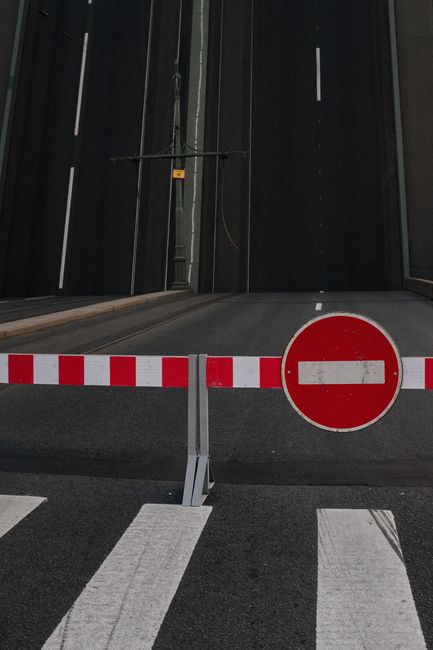
If you are planning a move, a bulky delivery, or a specialist lift in Notting Hill, you quickly run into two big questions: can a low-loader actually get in, and do you need a road closure to make the job safe? In W11, the answer is usually "it depends" - on street width, parking pressure, timing, access, and what the vehicle needs to do once it arrives. This guide breaks down Low-loader and road closure regulations for Notting Hill (W11) in plain English, so you can plan properly, avoid unnecessary fines, and keep the day moving.
Notting Hill is beautiful, yes, but it is also busy, narrow in places, and not exactly forgiving when a large vehicle arrives unprepared. Let's face it, one badly planned arrival can cause more stress than the actual move. Below you'll find practical advice, common pitfalls, compliance basics, and the sort of real-world detail that helps when the clocks are ticking and the street is already tight.
Table of Contents
- Why Low-loader and road closure regulations for Notting Hill (W11) Matters
- How Low-loader and road closure regulations for Notting Hill (W11) Works
- Key Benefits and Practical Advantages
- Who This Is For and When It Makes Sense
- Step-by-Step Guidance
- Expert Tips for Better Results
- Common Mistakes to Avoid
- Tools, Resources and Recommendations
- Law, Compliance, Standards, or Best Practice
- Options, Methods, or Comparison Table
- Case Study or Real-World Example
- Practical Checklist
- Conclusion
- Frequently Asked Questions
Why Low-loader and road closure regulations for Notting Hill (W11) Matters
W11 is a postcode where access can be the entire job. The streets around Portobello Road, Westbourne Grove, the residential terraces off the main routes, and the tighter side roads all create different risks. A low-loader may be the safest choice for moving oversized furniture, heavy plant, pianos, specialist equipment, or large residential items, but only if the approach, stopping point, and unloading space are workable.
Road closure regulations matter because a closure is not just a "nice to have". It changes how traffic moves, how pedestrians pass, where your crew can stand, and whether the vehicle can operate without causing disruption. In a dense area like Notting Hill, poor planning can lead to blocked bays, frustrated neighbours, delayed crews, parking penalties, or a job that has to be abandoned halfway through. Not ideal. Not even close.
This is also where the local context matters. Notting Hill combines residential streets, visitor traffic, trader activity, and event-heavy roads. A moving day that looks simple on paper can become awkward very quickly if your low-loader arrives at the wrong time or without the right parking and access plan. If you are also juggling a flat move, storage, or a same-day rearrangement, it helps to understand the wider moving picture too. Articles like Notting Hill removals pricing explained and blocked bays and parking tickets removal-day fixes are useful companions here.
How Low-loader and road closure regulations for Notting Hill (W11) Works
Think of the process in two parts: vehicle access and street control.
Vehicle access is about whether a low-loader can physically reach the property, safely position itself, and unload without breaching traffic rules or damaging the street furniture. In Notting Hill, the practical concerns are usually width, turning radius, height restrictions, loading bay availability, and whether the vehicle can legally stop where it needs to.
Street control is about managing the road environment. That could mean temporary traffic management, suspendable parking bays, cones, signage, stewarding, or, in some cases, a formal road closure. The exact permissions depend on the location, the duration, the size of the operation, and the impact on traffic and pedestrians.
Road closures are usually reserved for situations where a vehicle or lifting operation would make the street unsafe or impossible to use in the normal way. That might be a very large delivery, a specialist removal involving heavy machinery, or an event-like operation that needs a clear working zone. A simple domestic move usually will not need a full closure, but it may still need parking suspension or controlled stopping space.
The real-world test is simple: if the low-loader cannot safely enter, stop, and operate without taking over the carriageway or blocking people in, the plan probably needs adjusting. Sometimes the answer is a smaller vehicle and shuttle runs. Sometimes it is a timed closure. Sometimes it is a "do not attempt this in rush hour" decision. Annoying, perhaps, but sensible.
Key Benefits and Practical Advantages
When planned properly, using a low-loader with the right road arrangement can make a big project feel a lot less chaotic.
- Safer handling of oversized items: Heavy or awkward loads can be moved more cleanly when the vehicle is correctly positioned close to the property.
- Reduced carrying distance: Shorter carrying routes mean less strain on crews and a lower risk of damage to stairwells, flooring, and door frames.
- Better control in narrow streets: Notting Hill's street layout often rewards precise planning rather than bigger-and-hope-for-the-best thinking.
- Lower chance of disruption: Temporary road measures can prevent vehicles from circling, double-parking, or improvising on the day.
- Cleaner job timing: If the area is managed well, the crew can work faster and more predictably.
There is also a quieter advantage people sometimes miss: better neighbour relations. If a move is well signed, well timed, and not blocking the whole street, complaints tend to be fewer. That matters more than many people expect, especially in close-knit W11 streets where everyone notices a delivery lorry before breakfast.
If your move includes specialist items, it can also be worth checking related services such as furniture removals in Notting Hill or piano removals in Notting Hill, because the vehicle choice and access setup often go hand in hand.
Who This Is For and When It Makes Sense
This topic is not only for big commercial contractors. Plenty of ordinary households and small businesses run into low-loader and road closure questions.
- Homeowners moving from W11 terraces: Tall furniture, multiple floors, and restricted parking can make a larger vehicle attractive, but only if access is feasible.
- Flat movers: Basement flats and upper-floor apartments often need careful vehicle positioning for safe, fast loading.
- Shop relocations: Westbourne Grove or nearby retail units may need scheduled street control to keep customers and deliveries flowing.
- Office moves: Larger office jobs may involve crates, desks, shelving, and equipment that are easier to manage with a low-loader or controlled access plan.
- Specialist item transport: Anything large, fragile, or expensive may justify more access control than a standard van move.
It makes sense when the cost of getting access wrong is higher than the cost of planning it properly. That could mean damage, penalties, missed time slots, or a crew having to wait while a neighbour moves their car. And yes, that last one happens more often than people like to admit.
For people in a hurry, pairing this planning with a service like man with a van in Notting Hill or same-day removals in Notting Hill can help, but only if the access arrangement is still realistic. Speed without space is just stress in disguise.
Step-by-Step Guidance
Here is a practical way to approach the job without overcomplicating it.
- Survey the street first. Check width, bend points, bay restrictions, local pinch points, and whether the vehicle can stop without pushing into live traffic.
- Identify the vehicle requirement. Decide whether the load genuinely needs a low-loader, or whether a smaller vehicle with multiple trips would be cleaner and cheaper.
- Map the loading point. Work out where the vehicle will stop, where the team will stand, and how the item will move from door to tail lift or ramp.
- Check if parking suspension or closure is needed. If the vehicle would otherwise be obstructing the road or occupying restricted space, plan for the appropriate control measure.
- Coordinate timing carefully. Avoid the most congested periods where possible. Early morning often works better than midday in busier parts of W11.
- Brief everyone involved. Residents, building managers, drivers, and the removal crew should know what is happening and when.
- Keep a fallback plan. Have a smaller van option, alternate loading point, or storage solution ready in case the street turns out to be less forgiving than expected.
That fallback plan matters. In practice, a good team expects the unexpected. A delivery truck already in the road. A neighbour's car not moved. A film crew somewhere nearby. London does that sometimes.
If you are dealing with temporary off-site holding, storage in Notting Hill can be a helpful pressure valve when timing and access do not line up neatly on the same day.
Expert Tips for Better Results
The following points come from the kind of problems that only show up once the vehicle is on the street. Helpful, if mildly inconvenient.
- Measure properly, not roughly. "It should fit" is not a plan. Confirm widths, heights, turning room, and the space needed for doors, ramps, and safe lifting.
- Think about pedestrian flow. In Notting Hill, foot traffic can be heavy even outside peak commuter periods. A good setup keeps pavements usable.
- Use a marshal or spotter where needed. One extra set of eyes can prevent a lot of awkward reversing and wrong-way manoeuvres.
- Avoid relying on luck with parking. If a suspended bay or controlled stopping area is needed, build that into the plan from the start.
- Protect the building as well as the load. Narrow hallways, period steps, and worn thresholds need protection before the item moves.
- Confirm the route inside the property. Sometimes the road is not the problem; the staircase is.
A small but useful habit is to do a quick site walk the day before. You will notice details in person that photos miss. The slope of the kerb. The awkward tree. The place where a white van always seems to appear. Tiny things, big consequences.
For broader move planning, articles like Notting Hill Gate narrow-stair removals and the W11 Victorian terrace moving guide can help you think beyond the street and into the building itself.

Common Mistakes to Avoid
Most avoidable problems fall into a few predictable buckets.
- Booking the wrong vehicle size: Bigger is not always better. A low-loader that cannot turn or stop safely is a liability, not a solution.
- Leaving road control arrangements too late: Closures, suspensions, and access permissions often take more organisation than people expect.
- Assuming the street is "fine" because it looks quiet: A quiet-looking road can still have hidden restrictions, resident demand, or tight turning conditions.
- Forgetting building permissions: The road may be available, but the managing agent or freeholder may still need notice.
- Not planning for weather: Rain, wind, and damp pavement surfaces make lifting and manoeuvring slower and riskier. Obvious, maybe, but easy to ignore until the first box gets wet.
- Ignoring nearby businesses or neighbours: A short heads-up can prevent complaints and last-minute resistance.
One recurring mistake is treating access as an afterthought. To be fair, that is understandable if you are focused on boxes, deadlines, or stock. But in W11, access is often the difference between a calm move and a day of patching holes in the plan.
Tools, Resources and Recommendations
You do not need a huge toolkit, but you do need the right basics.
- Site measurements: Tape measure, phone camera, and a simple sketch of the road layout.
- Access notes: Record bay markings, height restrictions, loading points, and any building entry constraints.
- Time plan: A start time, a target unload window, and a contingency buffer.
- Protection materials: Floor protection, corner protectors, wrapping, and blankets for fragile or valuable items.
- Paperwork pack: Vehicle details, booking confirmation, access notes, and any approvals or permits you have arranged.
Useful support pages on this site include removal services in Notting Hill, removal van options, removal companies in Notting Hill, and insurance and safety. Those pages are helpful if you are comparing how much responsibility the crew will take on versus what you need to organise yourself.
If you are pricing the job, it also helps to understand how quotes are built. Pricing and quotes and services overview are good starting points before you commit to a schedule.
Law, Compliance, Standards, or Best Practice
Because this topic touches traffic control, access, and public space, it is worth being careful. I will keep this intentionally plain.
In general, low-loader movements and any associated road control in Notting Hill need to respect local parking rules, loading restrictions, obstruction laws, and any permissions required for temporary street occupation or closure. If a vehicle or operation affects the carriageway, pavement, or usual traffic flow, it should be assessed properly and arranged in advance rather than improvised on the day.
Best practice is usually to:
- avoid blocking the road unless there is a clear, authorised reason;
- make sure the vehicle is suitable for the street and the load;
- keep pedestrians safe and routes clear where possible;
- use clear signage and communication;
- follow any building, landlord, or estate requirements as well as street-level rules.
Where there is any doubt, it is smarter to treat the job as a controlled access move rather than a casual delivery. That simple shift in mindset saves a lot of hassle. And yes, it is usually cheaper than dealing with fines, rebooking, or damaged items.
For difficult removals, the practical angle matters too. The guidance in clearing bulky furniture without council fines and skip permits, suspensions and fines is especially relevant if your project involves temporary skips, bulky waste, or longer road occupation.
Options, Methods, or Comparison Table
Not every job needs the same approach. Here is a simple comparison to help with decision-making.
| Option | Best for | Strengths | Limitations |
|---|---|---|---|
| Low-loader vehicle | Oversized, heavy, or awkward loads | Stable handling, easier loading, useful for specialist items | Needs more space and careful route planning |
| Standard removal van | Typical domestic or small commercial moves | More flexible in tight streets, often easier to position | May require more trips for large items |
| Road suspension / controlled stopping | When a loading space must be guaranteed | Reduces parking conflict, improves safety | Needs planning and coordination |
| Full road closure | Complex lifts, very large items, or high-impact works | Maximum control, safest for certain operations | More disruption, more preparation, not always necessary |
The main lesson is simple: choose the lightest intervention that still makes the move safe and workable. A full road closure for a job that only needed a loading suspension would be overkill. But trying to force a huge item through a narrow street with no space? That is how moving days get silly, and nobody needs that.
Case Study or Real-World Example
Picture a W11 homeowner moving out of a Victorian terrace near a busy residential street. The furniture includes a large wardrobe, a marble-topped sideboard, several boxes, and a few awkward fragile pieces. The property has a narrow hallway and a set of stairs that curve slightly at the landing. Not dramatic, just enough to make everyone work harder than they should.
At first glance, a standard van might seem sufficient. But once the crew walks the route, they notice the turning space is limited and the best loading point sits in a controlled parking bay. A low-loader is considered, but it would be too large for the street at that time of day. The better option turns out to be a smaller vehicle with a booked loading space, an early start, and an off-site storage contingency for the items that will not fit on the first run.
What changed the outcome? The planning, mostly. The team measured properly, checked access before moving day, and avoided forcing an oversized vehicle into a tight road. The job took longer than a perfect-film version would suggest, but it stayed controlled and, importantly, safe.
That is the real lesson here. In Notting Hill, a smooth move rarely comes from brute force. It comes from matching the street to the vehicle, and the vehicle to the job.
Practical Checklist
Use this as a last-minute sanity check before move day.
- Confirm the load size and whether a low-loader is genuinely needed.
- Measure the road, access point, and any turning or unloading space.
- Check whether the vehicle will block traffic or need controlled stopping.
- Decide if a road closure, bay suspension, or no-closure approach is appropriate.
- Notify building management, neighbours, or affected businesses where relevant.
- Prepare signage, protection materials, and a clear unloading route.
- Keep a backup plan for parking, timing, or vehicle swap issues.
- Review insurance, safety, and handling responsibilities before the day arrives.
- Allow buffer time. Always buffer time. The road has a habit of disagreeing with your spreadsheet.
Expert summary: In Notting Hill, the safest and most cost-effective approach is usually the one that respects the street first and the vehicle second. Get the access plan right, and everything else becomes far more manageable.
Conclusion
Low-loader and road closure regulations for Notting Hill (W11) are really about one thing: making a complicated move feel controlled. In a postcode where roads are busy, access is tight, and parking can change the tone of the day in a heartbeat, the difference between a good plan and a bad one is often a few simple decisions made early.
Choose the right vehicle. Confirm the street setup. Respect local restrictions. Keep a backup. That is the core of it, and it works remarkably well when you stick to it. If you are moving in or around W11, a careful approach will usually save time, money, and a fair bit of frustration.
And if today's job feels bigger than expected, that is completely normal. A bit of planning goes a long way, and the calmer moves are usually the ones that were thought through before the van even turned the corner.
Get a free quote today and see how much you can save.
When the street is busy and the schedule is tight, the smartest move is still the one that gives you breathing room.