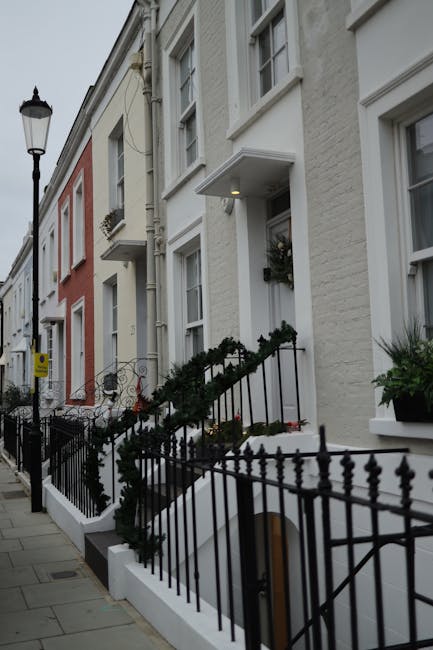


Notting Hill Gate narrow-stair removals: safe packing & lifting
Posted on 14/05/2026
Notting Hill Gate Narrow-Stair Removals: Safe Packing & Lifting
If you have ever tried to turn a sofa onto a tight landing in a Notting Hill Gate townhouse, you already know the issue: the stairwell decides the move, not the furniture. Narrow steps, awkward bends, low ceilings, fragile bannisters, and the usual London "just a little bit of an angle" can turn a simple removal into a tricky, tiring job. That is exactly why Notting Hill Gate narrow-stair removals: safe packing & lifting needs a proper plan, not just a pair of strong arms.
This guide breaks down how to pack, lift, carry, and protect items safely in properties with difficult stair access. It is written for real homes and real moves: period flats, basement properties, maisonettes, converted houses, and the sort of staircases where one wrong move can scuff a wall or strain a back. You will find practical steps, common mistakes, tool recommendations, and a clear checklist you can actually use. No fluff. Just the useful stuff.
Why Notting Hill Gate narrow-stair removals: safe packing & lifting Matters
Narrow stairs change everything. A chest of drawers that would be simple on a wide hallway can become a snagging, twisting, wall-bumping headache on a compact staircase. In Notting Hill Gate, that is not unusual. The area has plenty of older buildings, split-level flats, and homes with charming but unforgiving access. Lovely to live in, less lovely when you are moving a wardrobe at 8 a.m. on a wet Tuesday.
The main issue is not just inconvenience. It is risk. Poor packing can lead to crushed corners, broken glass, torn fabric, and damaged finishes. Poor lifting can lead to back strain, dropped items, or injuries on the stairs. And in a tight space, there is less room to recover from a mistake. One awkward pivot can be enough.
That is why safe packing and lifting matter so much. Done properly, they protect:
- your belongings, especially heavy or fragile items
- the stairwell, bannisters, paintwork, and flooring
- the people doing the carrying
- the pace of the move, which often matters more than people expect
It also helps to think a little wider than the staircase itself. If your move involves a flat on a busy road, limited parking, or a building with restricted access, you may need a more joined-up plan. Services such as flat removals in Notting Hill, home removals in Notting Hill, or a more flexible option like man with a van in Notting Hill can be more suitable depending on the property and access.
Key point: narrow-stair moves are won before the lifting starts. The packing plan, the route plan, and the item list all matter. If you skip that bit, you are basically gambling with your sofa.
How Notting Hill Gate narrow-stair removals: safe packing & lifting Works
The process is simple in principle, though not always simple in practice. First, assess the stairs and the items. Then prepare the building and protect the surfaces. After that, pack each piece for the route it will take, not just for the van. Finally, lift and manoeuvre using a controlled team approach. Sounds straightforward. It rarely is, but the method is reliable.
1. Assess the staircase before moving anything
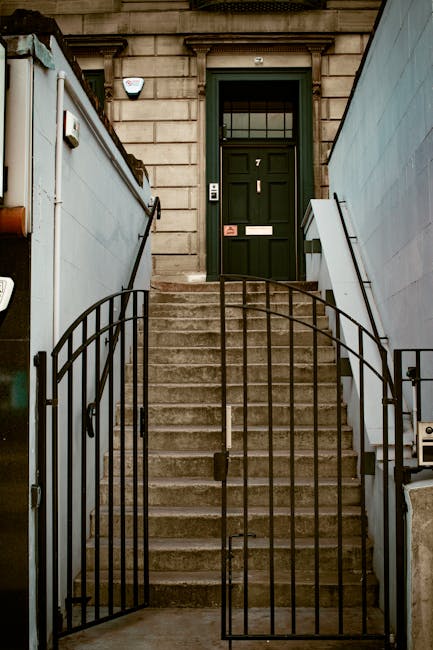
Look at the narrowest point, the tightest corner, the head height, and the landing space. Ask yourself: can the item turn upright, or does it need to be carried flat? Is there room to pause safely? Are the steps carpeted, polished wood, or uneven? These details change the handling plan.
2. Pack for shape, weight, and fragility
Good packing is not just about wrapping things in bubble wrap. It is about choosing the right protection for the item and the route. For example, a mirror may need corner protectors and a rigid box; a lamp may need its bulb removed and its shade packed separately; a table may need legs detached so it can pass through the stairwell more cleanly.
If you are unsure how to box up unusual items, the packing and boxes service in Notting Hill is worth exploring, especially for anyone moving on a schedule. For delicate items like instruments, specialist handling can be the safer choice, and piano removals in Notting Hill show why expert lifting matters so much.
3. Protect the route
Before the first box moves, protect bannisters, wall corners, doors, and flooring. Use coverings where needed. Clear the route of shoes, plant pots, umbrellas, and other odd little things that always seem to appear on moving day. It is amazing how often someone forgets the umbrella stand and then nearly trips over it. Happens all the time.
4. Lift as a team, not as heroes
Safe lifting is about coordination, not bravado. One person leads. One person watches the route. Another supports the load and keeps the item level. On stairs, communication has to be clear and calm: "stop", "pivot", "lower", "hold". Short words are best. Nobody needs a motivational speech halfway down a landing.
5. Load the van in the right order
Items that are awkward on stairs should be loaded with their unloading order in mind. Heavy pieces go in securely. Fragile items are not buried under a pile of random boxes. If you are using a removal van in Notting Hill, the loading layout should reflect the stair challenges at both ends of the move.
Key Benefits and Practical Advantages
There is a reason careful narrow-stair removals are worth the effort. You save time, but more importantly, you reduce friction. The move feels less chaotic. People are less tired. Items arrive in better condition. That last bit is not glamorous, but it matters a lot when the item in question is a dining table that has been with you for years.
- Less damage: proper wrapping and route planning reduce knocks, scrapes, and crushed edges.
- Lower injury risk: safe lifting techniques protect backs, shoulders, and hands.
- Better control on stairs: narrower access means control matters more than speed.
- Cleaner handover: protecting walls and flooring helps avoid disputes with landlords or neighbours.
- Less stress: a structured move feels manageable instead of improvised.
There is also a subtle benefit people overlook: it helps you decide what should actually move. If a piece is too big, too heavy, or too awkward to take down a tight stairwell, you may choose to dismantle it, store it, or replace it later. That kind of judgement can save a day.
If storage becomes the sensible option, storage in Notting Hill can give you breathing room between move-out and move-in dates, especially when access is difficult or the timing is a bit messy.
Who This Is For and When It Makes Sense
This approach is not just for oversized houses or expensive furniture. It is useful for anyone moving through awkward access. If you are in a first-floor flat, basement apartment, converted terrace, or building with a bendy stairwell, you will likely benefit from a more careful method.
It makes particular sense if you are moving:
- fragile items like mirrors, artwork, glass tables, or lamps
- heavy furniture such as wardrobes, sofas, sideboards, or beds
- items with awkward dimensions, like exercise equipment or shelving units
- family belongings that need extra protection, even if they are not technically expensive
- business items during a smaller office move with tight internal access
Students moving into smaller shared properties can also run into this problem more often than they expect. A single bed frame, desk, and bookcase can be surprisingly awkward on a narrow stair. For those situations, student removals in Notting Hill can be a useful fit.
And if you are comparing providers, a broader look at removal companies in Notting Hill or the full removal services in Notting Hill range can help you match the service to the access issue, not just the postcode.
Step-by-Step Guidance
Here is a practical way to approach a narrow-stair move without making it more complicated than it already is.
- Survey the property. Measure stair width, landing space, and any sharp turns. Note low ceilings, awkward banisters, and anything that could block the route.
- List the difficult items first. Start with the pieces you already suspect may be tricky. Sofas, mattresses, wardrobes, glass cabinets, and white goods usually need extra attention.
- Disassemble where sensible. Remove legs, shelves, handles, table tops, and loose parts. Keep screws and fittings in labelled bags. This sounds basic, but it saves a lot of swearing later.
- Wrap item by item. Use blankets, stretch wrap, corner guards, and tape where appropriate. Avoid over-taping delicate surfaces.
- Protect the stairs and walls. Lay down covers, guard corners, and keep the route clean. Shoes, bags, and small decorative items should be moved out of the way.
- Assign lifting roles. Decide who leads, who supports, and who watches clearance points. The person at the front should not be guessing.
- Move slowly and pause at landings. On narrow stairs, a pause is not a delay. It is part of the method.
- Reassess if something feels wrong. If a piece is catching, tilting badly, or becoming unstable, stop. Reposition. Do not force it.
- Unpack strategically. Get essential items down first, then furniture, then fragile pieces. If needed, unpack boxes in a better order than they were loaded.
A small real-world point: a move can look "fine" until the final turn. That is often where people get caught out. The item clears the steps, then jams at the landing because nobody allowed for the angle. Always check the full route, not just the staircase itself.
Expert Tips for Better Results
These are the habits that make narrow-stair removals go more smoothly in practice. They are not flashy. They just work.
Choose packaging for protection, not just convenience
Soft items can be bagged or wrapped, but rigid items need proper support. A slightly larger box with internal padding is often safer than a tight box that leaves no room for cushioning. The goal is to stop movement, not cram everything in.
Take weight out of awkward items before moving
Books, drawers, removable shelves, and contents all add bulk. A wardrobe may look manageable until it is packed full. Emptying items before carrying them downstairs can make an enormous difference. Common sense, really, but easy to skip when you are in a rush.
Use the building's light and natural pauses
Some stairwells in Notting Hill Gate are dim or slightly shadowed, especially in older properties. Poor visibility makes lifting less precise. If the hall is dark, set up extra lighting before you start. Late afternoon can feel especially awkward when the stairwell is half-lit and everyone is a bit tired.
Measure the item in its moving shape
People often measure a sofa standing in the lounge, then discover it behaves differently when tilted. Measure it with the legs off, cushions removed, or packaging added. That is the size that matters.
Book help early for specialist items
Large pianos, heavy cabinets, or valuable antiques are not the time to wing it. Specialist help is not overkill; it is insurance against a bad day. If you know from the start that one item will be the problem, solve that problem early.
For peace of mind, it also helps to review a provider's insurance and safety information before booking. That is not being cautious for no reason. It is just smart.
Common Mistakes to Avoid
Most move-day problems are predictable. The good news is that predictable mistakes are avoidable.
- Skipping the site check: If you do not inspect the stairs first, you are guessing.
- Overpacking boxes: Heavy boxes become hard to control on stairs and are more likely to fail.
- Using the wrong wrap: Too little protection risks damage; too much tape can mark surfaces or slow unpacking.
- Lifting without a leader: When everybody starts talking at once, the move gets messy fast.
- Forgetting to clear the landing: Landings need space for turns, rests, and adjustments.
- Trying to force awkward items: If it does not fit cleanly, stop and reassess.
- Ignoring the neighbour factor: Noise, hallway clutter, and blocked access can create avoidable friction in shared buildings.
One more thing: do not assume every "small" item is easy. A boxed lamp, a printer, or a framed mirror can be more awkward than a sofa because they are lighter but less stable. Light does not always mean easy. Annoying, but true.
Tools, Resources and Recommendations
You do not need a warehouse of gear, but the right tools make a real difference. For narrow-stair moves, a focused toolkit is usually enough.
| Tool or item | What it helps with | Why it matters on narrow stairs |
|---|---|---|
| Removal blankets | Protecting furniture and wall contact points | Reduces scuffs and impact marks |
| Stretch wrap | Securing loose parts and doors | Keeps items from shifting mid-carry |
| Corner protectors | Fragile corners and edges | Useful where stairwell turns are tight |
| Furniture straps | Supporting controlled lifts | Improves grip and balance |
| Gloves with grip | Handling bulky or smooth items | Helps prevent slips on awkward surfaces |
| Trolley or sack truck | Flat routes and loading areas | Useful outside the stair section, not usually on stairs themselves |
| Labels and bags for fittings | Disassembly and reassembly | Stops small parts going missing |
For a simple booking route, many people start by reviewing the services overview and then checking pricing and quotes once they know what needs moving. If your move is more last-minute, a local same-day removals option in Notting Hill may be useful, but only if the access and packing are already under control. Same-day and narrow stairs together can be a bit lively, let's face it.
Law, Compliance, Standards, and Best Practice
For most household moves, the main compliance issues are practical rather than legal in a dramatic sense. The key is to follow reasonable health and safety practice, protect the building, and work within your agreement with the property owner or managing agent.
In the UK, moving work should be carried out with care to avoid injury and damage. That usually means using appropriate lifting technique, not overloading people or equipment, and planning access properly. For shared buildings, you may also need to respect building rules, times for moving, lift reservations if applicable, and any expectations about protecting communal spaces.
Good practice normally includes:
- carrying out a brief risk check before the move
- using enough people for heavy or awkward items
- keeping exits and stairwells clear
- protecting floors, walls, and corners
- communicating clearly during every lift
If you are hiring a professional mover, it is sensible to review their health and safety policy, as well as their general company information on about us. That does not guarantee perfection, of course, but it does tell you whether they take the job seriously.
Practical truth: good compliance in a move is mostly about discipline. Measure, plan, protect, communicate, and do not improvise under pressure.
Options, Methods, or Comparison Table
There is no single best method for every narrow-stair move. The right choice depends on item size, access, urgency, and how much help you have. Here is a simple comparison.
| Method | Best for | Strengths | Limitations |
|---|---|---|---|
| DIY with friends | Small moves, light furniture, short distances | Low cost, flexible, simple to arrange | Higher risk if items are bulky or stairs are tight |
| Man and van | Medium-sized domestic moves | Efficient, local, adaptable | May still need careful planning for difficult access |
| Full removal service | Entire flats or houses, larger inventories | More structured, better for heavy lifting and packing | Usually costs more than a basic van hire solution |
| Specialist item handling | Pianos, antiques, fragile valuables | Extra expertise and control | Only suitable for certain items, not every move |
If you are mainly moving furniture through a narrow stairwell, a focused furniture removals service in Notting Hill can be the most practical middle ground. For larger home moves, house removals in Notting Hill may be more appropriate. For a lighter, quicker move, a man and van in Notting Hill can be enough if the stairs are manageable and the packing is done well.
Case Study or Real-World Example
Picture a typical Notting Hill Gate flat move. The property is on the second floor of a converted building, the stairwell turns sharply after the first landing, and the front door opens into a hallway that is barely wider than the wardrobe you need to move. Nothing unusual there, truth be told.
The residents had two main problem items: a double mattress and a narrow but tall bookcase. Rather than trying to force them through the stairwell assembled, the movers broke down the bookcase, removed the mattress protector, and wrapped both sides of the mattress to keep it clean. They also protected the wall corner on the turn and cleared the landing completely before beginning. That meant no bags, no shoes, no surprise umbrella stand in the way.
On the day, the move took a bit longer than if the property had a lift and a wide corridor. That was expected. But it stayed controlled. No scraped walls. No torn fabric. No one ending the day with a stiff back and a bad mood. The result was boring in the best possible way. And boring is good when you are moving.
The takeaway from situations like this is simple: narrow-stair moves are usually successful because someone slowed down before the difficult bit, not because they rushed through it.
Practical Checklist
Use this before moving day, or at least the evening before if you are already in that slightly frantic late-pack stage.
- Measure stair width, landings, and tight corners
- Identify furniture that needs dismantling
- Separate fragile items from general boxes
- Label boxes by room and priority
- Pack screws, brackets, and fittings in sealed bags
- Protect floors, walls, and bannisters
- Arrange enough helpers for heavy pieces
- Clear hallways, landings, and entrances
- Check parking and access at both ends
- Review insurance, safety, and service terms if using professionals
- Keep a small essentials box aside for immediate access
- Have water, gloves, and basic tools ready
If you are moving in a busy local area and want a quick read on the neighbourhood context, the article on exploring Notting Hill gives a useful sense of the area's character, while Portobello Road flat move tips can be especially helpful if your move overlaps with busier streets or tighter access around the market area.
Conclusion
Narrow stairs do not have to turn a move into a drama. With the right packing choices, a realistic lifting plan, and a calm approach to the route, even awkward Notting Hill Gate properties can be managed safely and efficiently. The big idea is simple: do the thinking before the carrying.
If you remember only one thing, make it this: protect the item, protect the route, and protect the people doing the work. That is the heart of safe stair removals. Everything else supports it.
And if you are still weighing up whether to move things yourself or bring in help, start with the access. The stairs will usually tell you what sort of move you are really dealing with.
Get a free quote today and see how much you can save.
Sometimes the smartest move is the one that keeps everyone steady, calm, and just a little less stressed by the end of the day.